As we tell potential clients meeting us for the first time, and as we describe in the profile here on our website, at MR, there is no singular mandated style. We have widely disparate clients and projects. Our aesthetic is disciplined and we take a rational approach to space, proportion and light. This is how we convey who we are and the work we do. Collectively, we go about designing spaces in a distinct way, according to specific standards and motivated by both beauty and logic. Individually, we each bring something different to the table: inspiration from different corners of the world and different moments in time, and influence from different people in the disciplines of architecture, interior design and art. Some are teachers, some are colleagues, some are friends. Some have work that we’ve had the opportunity to see in person, others’ work, we are only able to admire from afar. Whatever the case may be, these creators speak to us and in ways both subtle and straightforward and guide us in the work we do. Here, we share some of the sources of our inspiration.
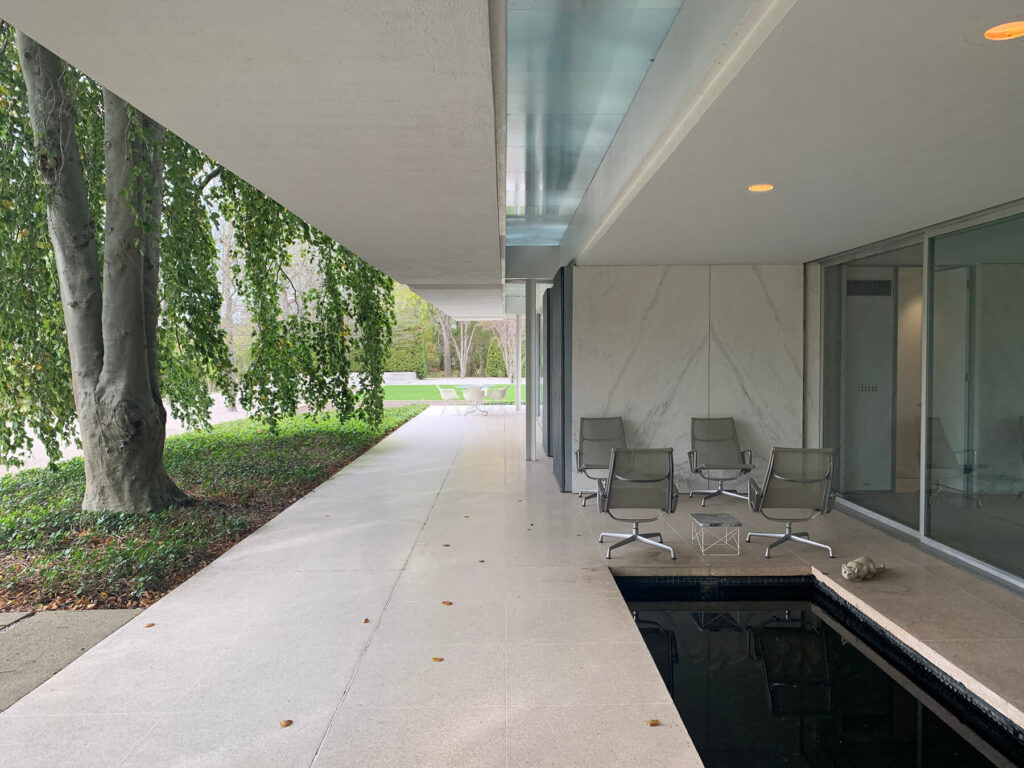
Growing up in the Midwest, for me it was Eero Saarinen. At an early age, during a family trip to Colorado, we visited his Air Force Academy Chapel building, and I still remember the feeling (like a shock) of not seeing anything like that before. Equally inspiring has been seeing the GM Technical Center, Irwin Miller House, and TWA Terminal over the years, then of course the simple elegance of his furniture pieces such as the Tulip Collection and Womb Chair. The “modernism with emotion” quality of his work I still find moving. (Photo: Scot Campbell) – Scot

Jean-Michel Frank, the French interior designer of the 1920s and 1930s, has inspired me as a designer through his timeless minimalist spaces and elegant furniture. His use of natural materials—rare woods, shagreen, mica, and leather—in understated ways demonstrates how subtle details and rich textures can create spaces of lasting impact. (Photo: Editions de Regard) – Allison
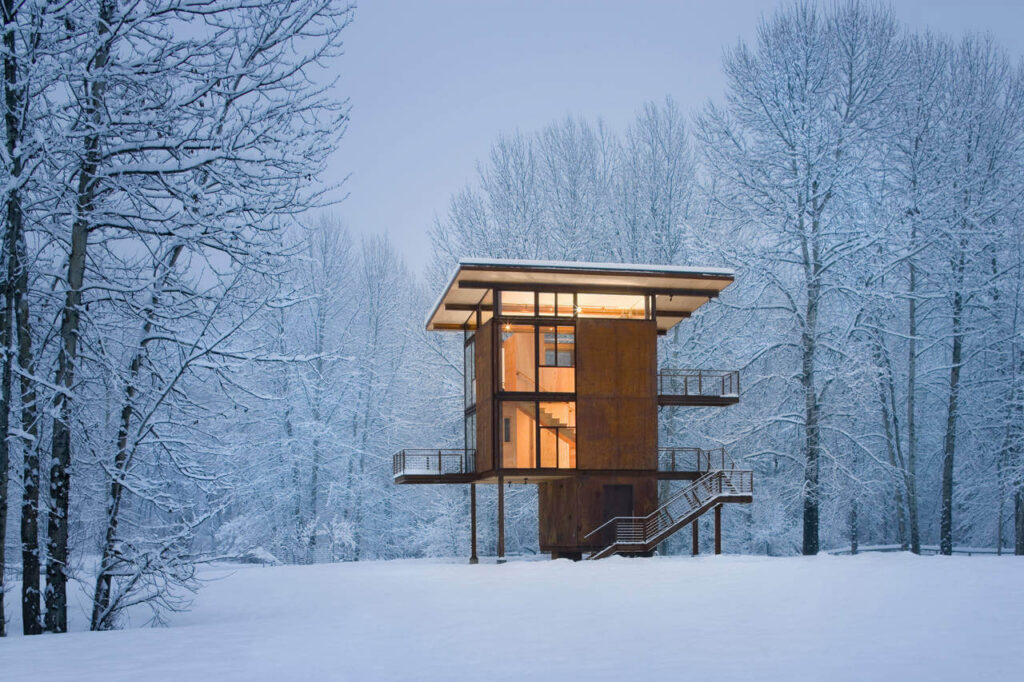
The work of Olson Kundig has always occupied the design procedures within my mind. There is always this serene dialogue between the natural landscape and the interior. Whatever moments they choose to emphasize are executed in a highly refined and playful way. Walls shift and move as if alive and in turn, the individual that is in control becomes part of that artistry. (Photo: “Olson Kundig Architects – Delta Shelter – Photo 0012.jpg” by 準建築人手札網站 Forgemind ArchiMedia is licensed under CC BY 2.0.) – Gary
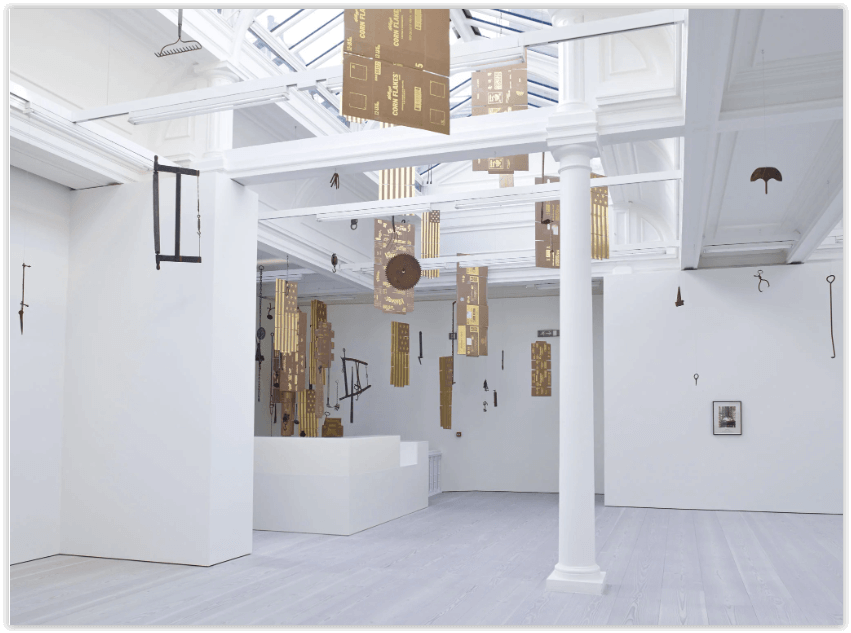
A key aspect of my practice is exploring how volume and space shape emotional experience. Contemporary Vietnamese artist Danh Võ exemplifies this through his installation work, which seamlessly unites precise curation with embodied experience. While rooted in political, ideological, and personal themes, Võ’s work adapts effortlessly to each space and subject, maintaining a striking visual continuity. His installations often create an energy that transcends their initial concept, giving the exhibition an ethereal, calming quality. Though his use of varied media can seem disjointed at first, the relationships between each element—and between the work and its environment—reveal a remarkable finesse. I’m especially inspired by Võ’s ability to transform simple, often mundane objects into layered compositions that evoke critique, wonder, confusion, and whimsy. A still from his 2018 Guggenheim exhibition Take My Breath Away serves as my desktop background, reminding me daily of the depth that can emerge from simplicity and the tranquility of thoughtful design. (Photo: Danh Võ Installation view, Marian Goodman Gallery, London, 2015 Photo credit: Andy Keate © Danh Võ) – Ashira
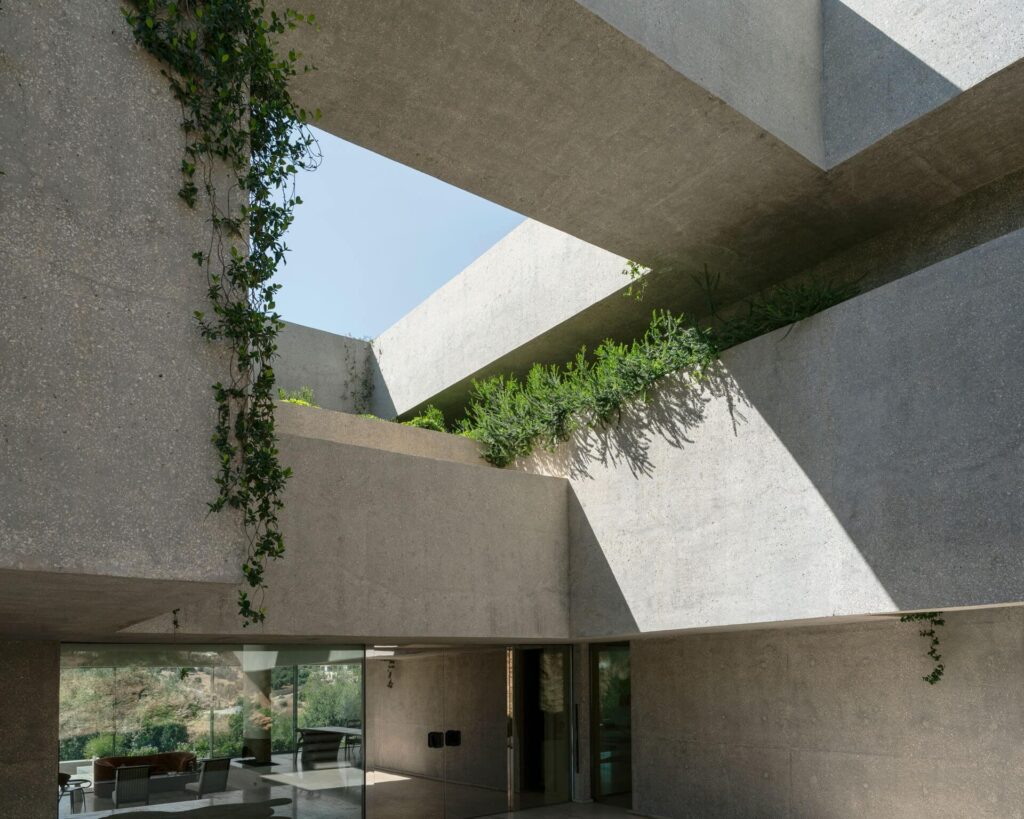
Throughout my career, I have been inspired the most by architects and designers that endeavor to find solutions to architectural problems within their specific context. I have found the work of Sahel Alhiyari and his architecture office to be the perfect example of this. Their extensive body of work that includes homes, art installations, interiors and urban design, passionately pursues technical and material solutions that draw from the rich cultural history and natural landscape of archetypal Jordanian architecture. Their projects possess an effortless beauty that is born out of this loving pursuit. This inspires me to strive for the same in the work that we do here at MR. (Photo: From Office of Sahel Alhiyari for Architecture / Pino Musi) – Robin
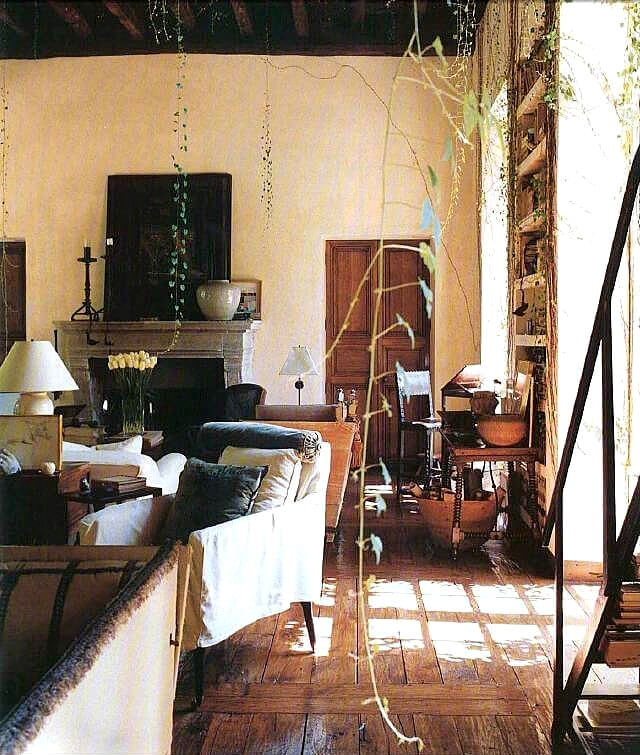
This is always such a tough question to answer, as I look to so many designers and architects for inspiration and have so much admiration for many different periods and styles. That being said, one designer I keep going back to is Rose Tarlow. I recently finished reading her first book, The Private House, and found it incredibly inspiring. Her approach to design feels both deeply intuitive and rigorously disciplined—rooted in authenticity, patina, and an unwavering commitment to historical context that never feels contrived. I’m drawn to the way she balances restraint with richness and how every object she chooses seems to carry beauty and meaning in equal measure. Her philosophy that nothing should be added “for effect instead of affection” really resonates with me; it’s a reminder that the most successful homes feel truly lived-in, personal, and carefully collected over time. As Paul Goldberger wrote in the foreword to her book, “I do not know how to explain Rose’s rooms except to say that they are right. They balance sensual pleasures with geometric rigor, and every one of them is simultaneously a lesson in design and a lesson in living.” (Photo: Oberto Gili) – Ashley
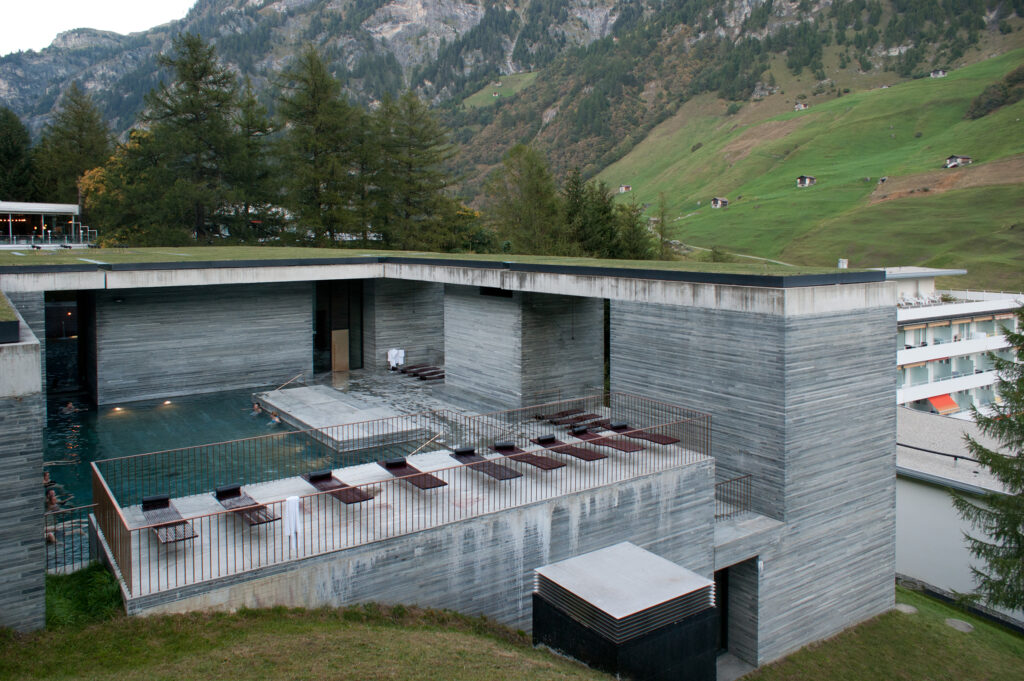
I am inspired by the work of architect Peter Zumthor whose designs create a connection between architecture and the landscape. I am drawn to buildings that are seamlessly integrated in their surroundings and shaped by local materials. His Therme Vals is an example where the structure appears to be carved from the mountain itself and is built of local quartzite. I admire Zumthor’s use of stone, light, shadow, and texture to transform spaces into a meditative experience. (Photo: “Image” by felipe camus is licensed under CC BY 2.0.) – Karina

I admire so many architects and artists. But the most unique and influential ones who come to mind are Carlo Scarpa and Giorgio De Chirico. Coincidentally, they are both from Italy and were my spirit mentors during my studies abroad, helping me explore my own design language. If I had to describe their work in three words, it would be: poetic, layered, and solitary. Scarpa’s architecture and design is filled with an extreme pursuit of detail, joints, and construction methods. Space, time, and history are layered and interact in his works. He never hides the connections, but rather designs the junctions of beams, columns, walls, and floors as exquisite works of art. These details themselves are a short poem, telling the story of how materials meet and how power is transmitted. I made a special trip to Verona, Venice, Possagno, and Altivole in Italy to see almost all his works from different periods. The most complete work I visited was his renovation of the Castelvecchio Museum. Seeing the elegant details of the exhibition, the floating staircases, and his “Stage of Light” for sculptures in person was an experience that no picture could capture. I only recently learned that he died after falling down a staircase while visiting Sendai, Japan. Ironically, I also admire his staircase designs in many projects. De Chirico’s paintings create a parallel world filled with mystery, loneliness, and philosophical contemplation. His urban series often features empty squares, long shadows, and abandoned statues, evoking a powerful sense of solitude. When I was studying in Milan, there were frequent special exhibitions of his work, and I’ve seen his original pieces many times at places like the Museum of Modern Art in New York. I find his work very regionally specific, yet it has achieved widespread global recognition, which deeply moves me. (Photo: Jinyu Zhang) – Jinyu

It’s hard to say just one, but if I think about it, it is Hugh Smallen, an architect of the second wave Harvard Five Architects in New Canaan, Connecticut. I grew up in a house he designed, so my formative years were spent living in his environment, soaking up his ideas. His work had both dramatic gestures and distilled detailing, thoughtful siting and framing of views with walls of glass, and lots of light and open space. I met him several times as my parents had additional work done over time. He cared about his projects enough to return for years and years. (Photo: William Clukies) – William
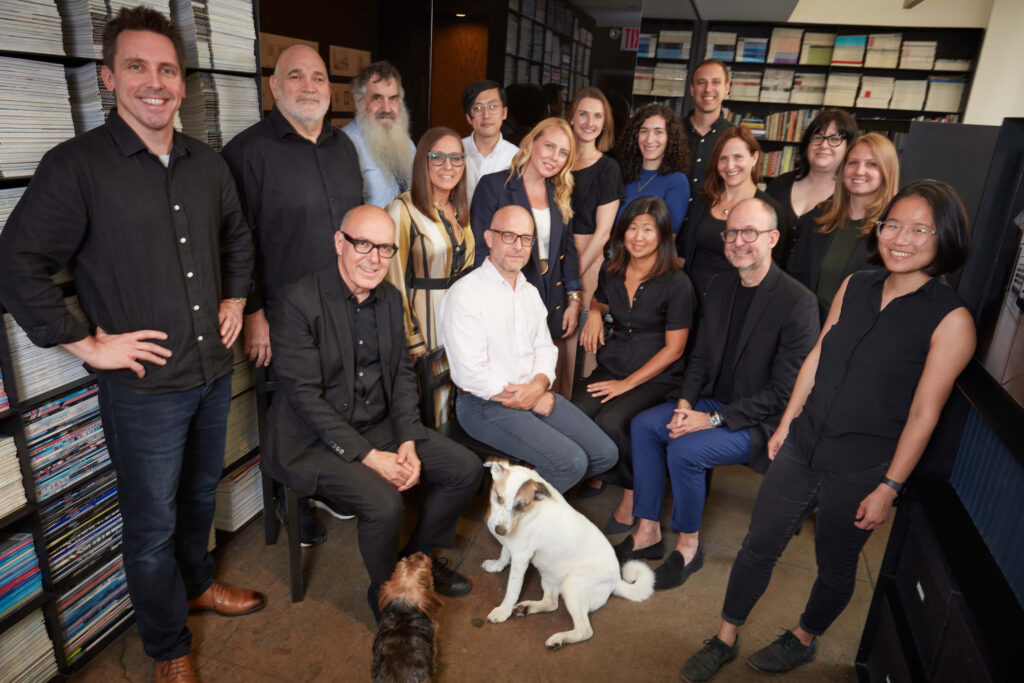
In my youth, I moved from one architectural infatuation to the next: Wright, Alto, Corbusier and Mies… the God Almighty Mies who seemed to touch the divine. Later came obsessions with Barragán, Kahn, and Rudolph, who for years defined my understanding of what architecture could be. Today my reference has shifted. I no longer look to the distant brilliance of my contemporaries like Herzog & De Meuron, Rem Koolhaas or Tadao Ando. Today for inspiration instead, I find it here among my colleagues, the quiet masters, who work beside me in their persistence, intelligence and unrelenting care for every line and detail. They have rekindled my belief in this craft through each thoughtfully artful project and have helped shape the identity of MR Architecture + Decor with devotion, humility, and a shared pursuit of excellence and beauty. (Photo: Matthew Septimus) -David